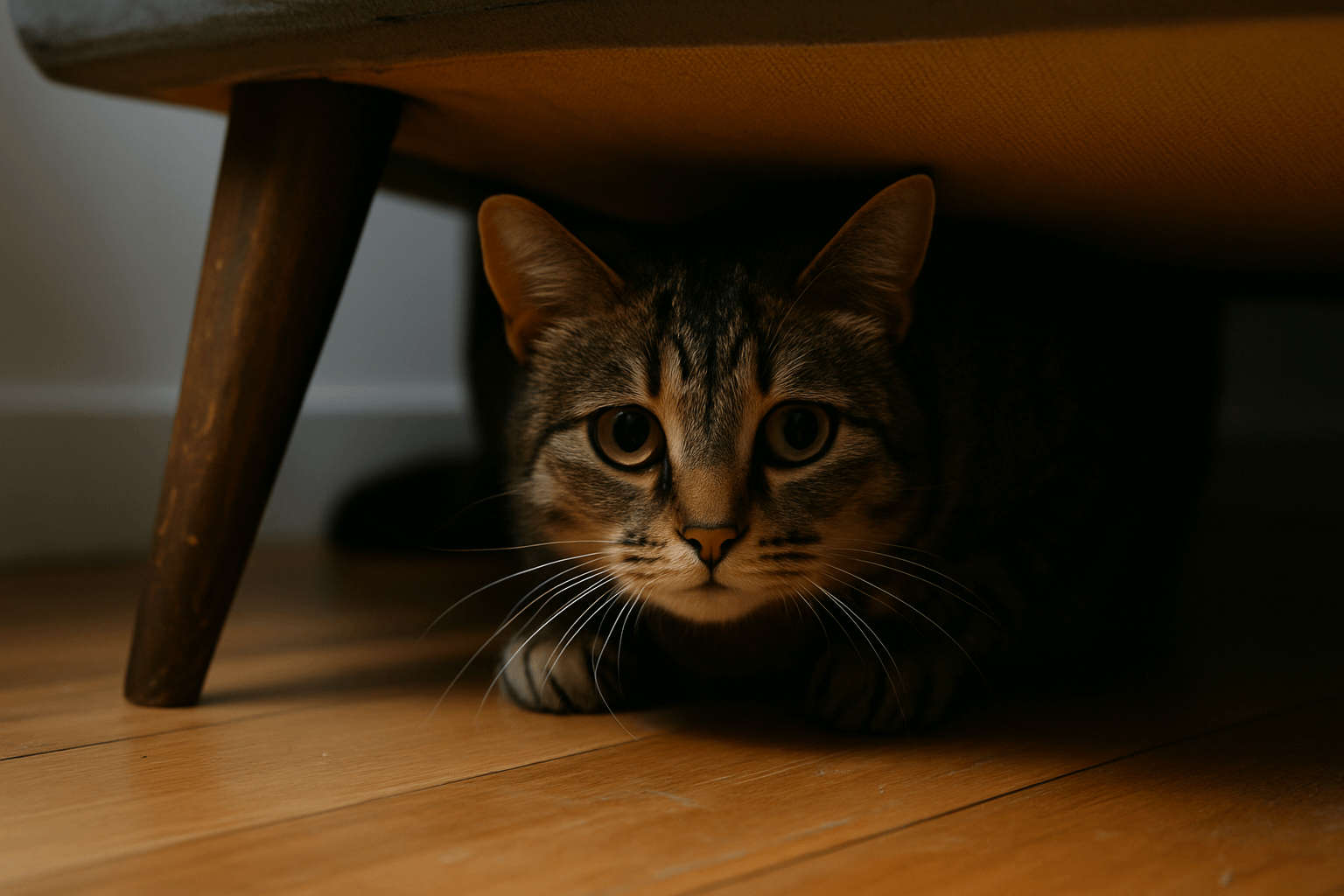
Keeping Calm - Managing Anxiety in Your Feline Friend
Anxiety isn’t just a human issue; our feline companions can experience it too. Changes in routine, new environments, loud noises, or even separation from their favourite humans can trigger feelings of stress and anxiety in cats. Recognizing the signs early is key to helping your cat live a happier, more peaceful life.
Signs Your Cat Might Be Anxious
Cats express anxiety differently than dogs or humans. Look out for:
- Excessive grooming or pulling out fur
- Changes in appetite (eating more or less)
- Hiding more than usual
- Increased vocalization (meowing, howling)
- Aggression (hissing, swatting, biting)
- Urinating or defecating outside the litter box
- Restlessness or pacing
- Clinginess or increased need for attention
If you notice these signs, the first step is always a visit to your veterinarian. They can rule out any underlying medical conditions that might be causing the behaviour.
Exploring Solutions: Beyond the Basics
Once medical issues are excluded, managing anxiety often involves a multi-faceted approach combining environmental adjustments, behavioural techniques, and sometimes, veterinary-prescribed support.
For some cats, medication might be part of the treatment plan, often used in conjunction with other strategies. Products like Calmex Cat are examples of supplements or medications that a vet might recommend to help manage anxiety. It’s crucial that any medication is given only under veterinary guidance and prescription.
However, medication is rarely a standalone solution. Behavioural techniques and environmental enrichment play a vital role:
- Environmental Enrichment: Provide plenty of vertical space (cat trees, shelves), hiding spots (boxes, tunnels), scratching posts, and toys to stimulate your cat mentally and physically.
- Consistent Routine: Cats thrive on predictability. Stick to regular feeding times, play sessions, and interactions.
- Positive Reinforcement: Reward calm behaviour with treats, praise, or gentle petting. Avoid punishing anxious behaviour, as this can worsen it.
- Reducing Stressors: Identify what triggers your cat’s anxiety and try to minimize exposure. Use calming music, pheromone diffusers, or calming vests if recommended by your vet.
- Gradual Introductions: For changes like moving or introducing a new pet, make the process slow and gradual.
Other calming products, such as Feliway diffusers (synthetic facial pheromones) or natural supplements containing L-theanine or tryptophan, can complement these techniques. Always discuss these options with your vet before introducing them.
Managing cat anxiety requires patience and a commitment to understanding your cat’s needs. By working with your veterinarian and implementing supportive strategies, you can help your feline friend feel more secure and relaxed.